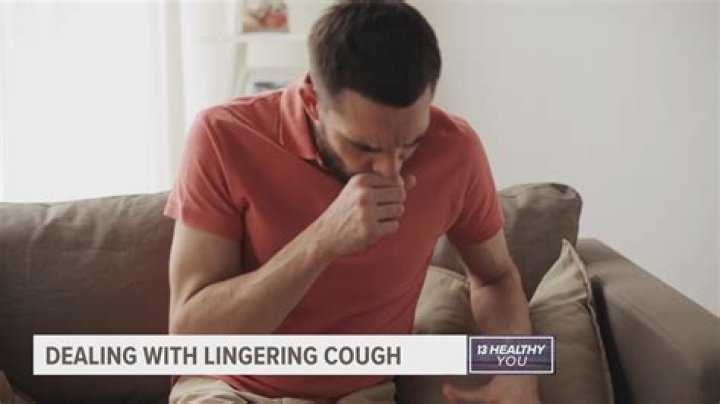
Does CLL cause coughing?

Mia Russell
Published May 19, 2026
CLL interferes with how these lymphocytes work. This, in turn, can affect how your immune system functions. As a result, they can increase your risk for respiratory infections and trigger symptoms like coughing.
Can leukemia cause a cough?
Leukemia is the term for cancer that starts in white blood cells. Coughing is a symptom of some types of leukemias, including chronic lymphocytic leukemia (CLL). CLL can lead to a dry cough if the condition grows and enters the lungs.Can CLL spread to the lungs?
Autopsy studies of patients with CLL demonstrate lung involvement in up to 40% of patients, but these patients are usually asymptomatic [12]. In general, pulmonary biopsies reveal a dense B-CLL infiltrate, usually with a peribronchial and perivascular distribution [2, 13].What are the symptoms of CLL getting worse?
Symptoms of CLL progression
- Weight loss. Unexplained weight loss of more than 10 percent of your body weight over the course of 6 months or so could mean your CLL is progressing. ...
- Extreme tiredness. ...
- Fever and night sweats. ...
- Frequent infections. ...
- Abnormal lab tests. ...
- Enlarged spleen. ...
- Swollen lymph nodes.
Can leukemia affect your lungs?
CLL is blood cancer, so it does not directly affect the lungs. Still, lung symptoms may be linked to a complication of CLL, and the specific symptoms depend on the complication. Some symptoms of pneumonia are also common in people with lung cancer.Causes of Chronic Cough in Adults
How does leukemia affect the respiratory system?
Difficulty Breathing or DyspneaWith T-cell acute lymphocytic leukemia, leukemia cells tend to clump together around the thymus gland. This mass of cells present in the middle of the chest can cause pain and difficulty breathing. Wheezing, coughing or painful breathing requires immediate medical attention.
Is CLL high risk for Covid?
At this time, there is no evidence indicating a disproportionately higher incidence of severe COVID-19 in patients with CLL compared to patients with other malignancies. However, two large multicenter studies have shown a high mortality rate in patients with CLL and severe COVID-19 in the range of ~ 30%.What should be avoided in CLL?
Your CLL treatment may weaken your immune system and raise your chances of getting foodborne illness. These steps can help keep you safe: Cook meat until it's well-done and eggs until the yolks are hard. Avoid raw sprouts, salad bars, and unpasteurized drinks and cheeses.What are the final stages of CLL?
When the disease moves into the later stages, CLL cells crowd out the healthy cells in the bone marrow, which could lead to problems such as anemia, low platelets, and an enlarged liver and spleen.How does CLL make you feel?
CLL increases inflammation in the body, which can make you feel extra tired. CLL can reduce the number of healthy white blood cells in your body, which are essential to fighting infections. With fewer white blood cells, you're more prone to infections, which take a lot of energy to fight.Why does lymphoma cause a cough?
When lymphoma starts in the thymus or lymph nodes in the chest, it may press on the nearby trachea (windpipe), which can cause coughing, trouble breathing, or a feeling of chest pain or pressure.Can CLL cause sore throat?
Infections and CLLlow temperature (less than 36°C) shivering and sweating. feeling confused. sore throat and cough.
Can CLL turn into other cancers?
People with CLL can get any type of second cancer, but they have an increased risk of: Skin cancer. Melanoma of the skin. Cancer of the larynx.Does leukemia affect your throat?
Susceptibility to infections such as sore throat or bronchial pneumonia, which may be accompanied by headache, low-grade fever, mouth sores, or skin rash. Swollen lymph nodes, typically in the neck, armpits, or groin. Loss of appetite and weight.What happens when leukemia spreads to the lungs?
Leukemia can travel through the blood to the lymphatic system, a part of the immune system which makes and store cells that fight infection. When leukemia spreads to small organs called lymph nodes in the chest, it can crowd the trachea, causing heart blood flow and breathing problems.Can low WBC cause coughing?
Symptoms of infection caused by low white blood counts may include temperature rising to 38.0 C or 100.4 F, coughing, stiff neck, pain or burning with urination, sore throat, mouth or lip sores and sores that do not heal. Platelets help to prevent bleeding.What are the symptoms of late stage leukemia?
End stage leukemia
- Slow breathing with long pauses; noisy breathing with congestion.
- Cool skin that may turn a bluish, dusky color, especially in the hands and feet.
- Dryness of mouth and lips.
- Decreased amount of urine.
- Loss of bladder and bowel control.
- Restlessness or repetitive, involuntary movements.