Does garlic contain lead?

Sophia Carter
Published Apr 21, 2026
But, what the study showed is that garlic appears to contain compounds that can actually pull lead not only out of the intestinal contents, but also out of the tissues of the body.
Does garlic absorb lead?
Previous studies on animals have revealed that garlic (Allium sativum) is effective in reducing blood and tissue lead concentrations.What foods are high in lead?
However, surprisingly high lead levels have been found in some of our favorite foods, like chocolate, peas, cannabis (sorry), sweet potatoes, and mustard greens, as well as other crops. That means lead can wind up in the products you may have in your pantry, like these: baby food. fruit juice.What are the side effects of too much garlic?
Eating large amounts of garlic may cause garlic breath, digestive issues, and heartburn. In rare instances, it may increase your risk of bleeding, particularly during surgery or if you're taking blood thinners.Does garlic contain allicin?
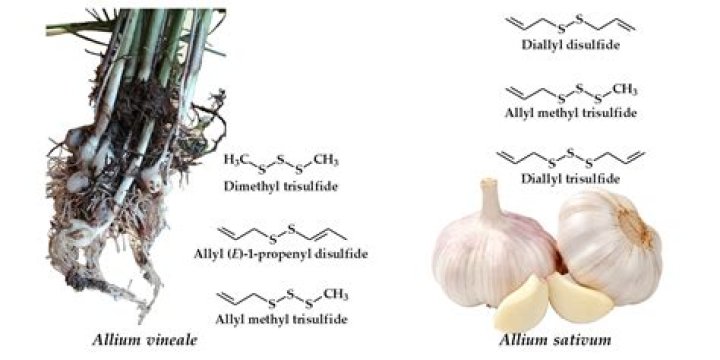
Allicin (allyl 2-propenethiosulfinate or diallyl thiosulfinate) is the principal bioactive compound present in the aqueous extract of garlic or raw garlic homogenate. When garlic is chopped or crushed, allinase enzyme is activated and produce allicin from alliin (present in intact garlic).Best Food for Lead Poisoning - Garlic
What chemicals are in garlic?
Generally garlic bulb contains approximately 65% water, 28% carbohydrates (mainly fructans), 2.3% organosulfur compounds, 2% protein (mainly alliin), 1.2% free amino acids (mainly arginine), and 1.5% fiber (Blumenthal et al., 2000).Is it safe to eat raw garlic?
The bottom line. Although raw garlic has a stronger flavor and more pungent smell than cooked garlic, it's safe to consume. Raw garlic also retains more allicin, which is the sulfur-containing compound responsible for many of garlic's beneficial health effects.Can garlic damage your liver?
Therefore, the present study suggests that garlic with high dose has the potential ability to induce liver damage and low doses (0.1 or 0.25 g / kg body weight/day) are safe doses of garlic.What happens when you eat garlic everyday?
Garlic may increase longevity: Garlic can benefit the heart, brain, and other organs. It reduces risk factors, such as blood pressure, cholesterol, and heavy metal toxicity, which can help people live longer. Garlic is also a rich source of antioxidants and nutrients, and it boosts the immune system as well.Does garlic affect the brain?
Breadcrumb. A team of University of Missouri researchers has discovered that another nutrient in garlic offers the brain protection against aging and disease. The finding provides more understanding of how garlic may prevent age-related neurological diseases such as Alzheimer's and Parkinson's.What food removes lead from body?
Eat a Healthy Diet to Help Decrease Lead Absorption
- Milk and milk products, such as yogurt and cheese.
- Calcium-fortified foods and beverages, such as soy milk, tofu and some breakfast cereals.
- Green leafy vegetables, including kale and turnip, mustard and collard greens.
- Canned salmon and sardines.