Does turbo flutter damage the turbo?

David Edwards
Published May 04, 2026
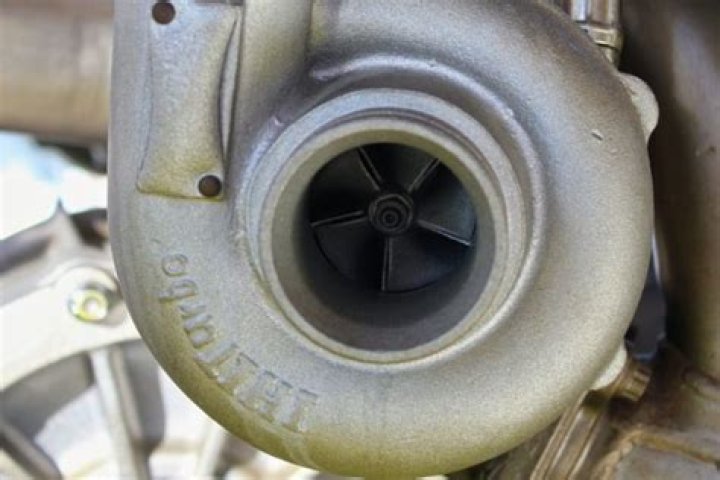
When the compressed air has nowhere to go, it causes the turbo rotational speed to rapidly drop, and attempts to push against the wheel. This can cause premature wear on your turbo, however closed throttle flutter on modern turbochargers is unlikely to cause a noticeable drop in turbocharger lifespan.
Does turbo flutter affect performance?
While turbo flutter might make a lot of noise, it actually doesn't do a thing for performance! That's because it's caused by backpressure after you release the throttle. In other words, turbo flutter comes into play after the engine does its work.Is compressor surge bad for the turbo?
Since the turbo is actually making significant boost, is at high RPM, and the pressure is fluctuating wildly because of the surge, these conditions do have the potential to cause greatly accelerated turbo bearing wear and/or damage to the compressor wheel.Is turbo flutter surge?
Both turbo flutter and compressor surge occur when the air pressure after the turbo is higher than what the turbo can maintain. The difference is that compressor surge occurs while you're on the throttle and compressor blades in the turbo stalls.Why does my turbo flutter when I accelerate?
That fluttering noise is the sound of a turbo operating in compressor surge, as the compressor 'chops' through the air rather than pushing the air into the engine. Love it or hate it, it's doing nothing good for your turbocharger performance or reliability. This is where a blow-off valve comes into its own.What is TURBO FLUTTER & SURGE? Is it Bad? Myth-busting in our Nissan R32 GTR!
What BOV makes the flutter sound?
In short, flutter is the sound of a turbocharger trying to push air. However, failing due to closed throttle. Therefore, it dramatically increases the load on the bearings of the turbo. If it occurs at higher engine loads or boost levels, it can cause premature wear to your turbo.Is no BOV bad?
Without a BOV, compressor surge can be a real problem on older, worn-out turbochargers — resulting in premature turbo failure.What causes turbo chirp?
Essentially, the noise is caused by what is known as "reversion". When a turbocharged vehicle builds up boost, and the driver backs off the throttle, the throttle body snaps shut, but the turbo is still spinning, trying to compress air.Do Wastegates make a sound?
External Wastegates are responsible for turbo flutter.That fluttering sound, which typically occurs when the throttle is suddenly closed, is the sound of the turbo trying to push air into the engine but failing, so the compressor blades 'chop' through the air. You can read more about this phenomenon here.