How is biofilm a virulence factor?

Ava Robinson
Published Apr 19, 2026
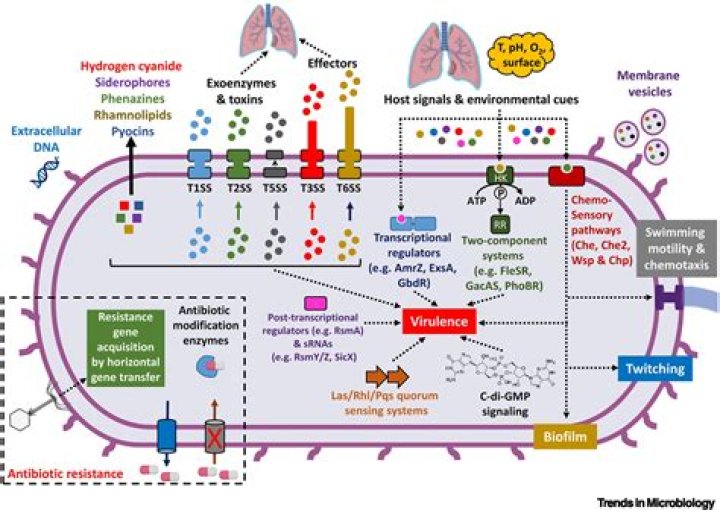
Biofilm virulence factors underlie chronic infection. Bacteria often employ opposing molecular mechanisms to establish acute and chronic infections, thus requiring different strategies for treatment of acute and chronic (biofilm) infections.
How do biofilms contribute to pathogenicity?
Breaches in this protective layer result in increased contact between microbes and the epithelial cells, which can result in biofilm formation on the epithelium. These changes constitute a pathogenic state that has been implicated in development of inflammatory bowel disease (IBD).Why are biofilms more pathogenic?
Bacterial biofilms cause chronic infections because they show increased resistance to antibiotics and disinfectant chemicals as well as resisting phagocytosis and other components of the body's defence system.What is the role of biofilms?
Biofilms provide survival sites for both beneficial and opportunistic pathogenic bacteria, by providing protection as above and increasing the potential of the bacteria to survive and evolve in the plant environment.What role does biofilm play in disease?
The term biofilm is used to denote a polymer-encased community of microbes which accumulates at a surface. Biofilms are responsible for a number of diseases of man and, because of the intrinsic resistance of these structures to antibiotics and host defence systems, such diseases are very difficult to treat effectively.Biofilm Formation | Whiteley Medical
How can biofilms be harmful?
From the human perspective, biofilms can be classified into beneficial, neutral, and harmful. Harmful biofilms impact food safety, cause plant and animal diseases, and threaten medical fields, making it urgent to develop effective and robust strategies to control harmful biofilms.What is the role of biofilms in bacterial infections in humans?
Biofilms provides the protection to the microorganism not only from altered pH, osmolarity, nutrients scarcity, mechanical and shear forces [28, 41, 82] but also block the access of bacterial biofilm communities from antibiotics and host's immune cells [27, 126].What is a biofilm and why is it important?
Biofilms and their medical importanceBiofilms are clusters of one or more living microorganisms, or microbes, such as bacteria, fungi, and viruses that are attached to a surface and embedded in a self-produced matrix designed for the survival of organisms.