Can eyes lose color?

David Edwards
Published Apr 24, 2026
In most people, the answer is no. Eye color fully matures in infancy and remains the same for life.
Why is my eye losing its color?
Usually, color deficiency is an inherited condition caused by a common X-linked recessive gene, which is passed from a mother to her son. But disease or injury that damages the optic nerve or retina can also cause loss of color recognition. Some diseases that can cause color deficits are: Diabetes.Why are my eyes turning GREY?
Cataracts – A cloudiness on the lens of your eye (behind the pupil) that can appear grey in color. Cataracts are common as you age and are often removed through surgery. Injury or trauma – When the eye is injured, the iris can be damaged and make your eye color appear changed.Can brown eyes get lighter?
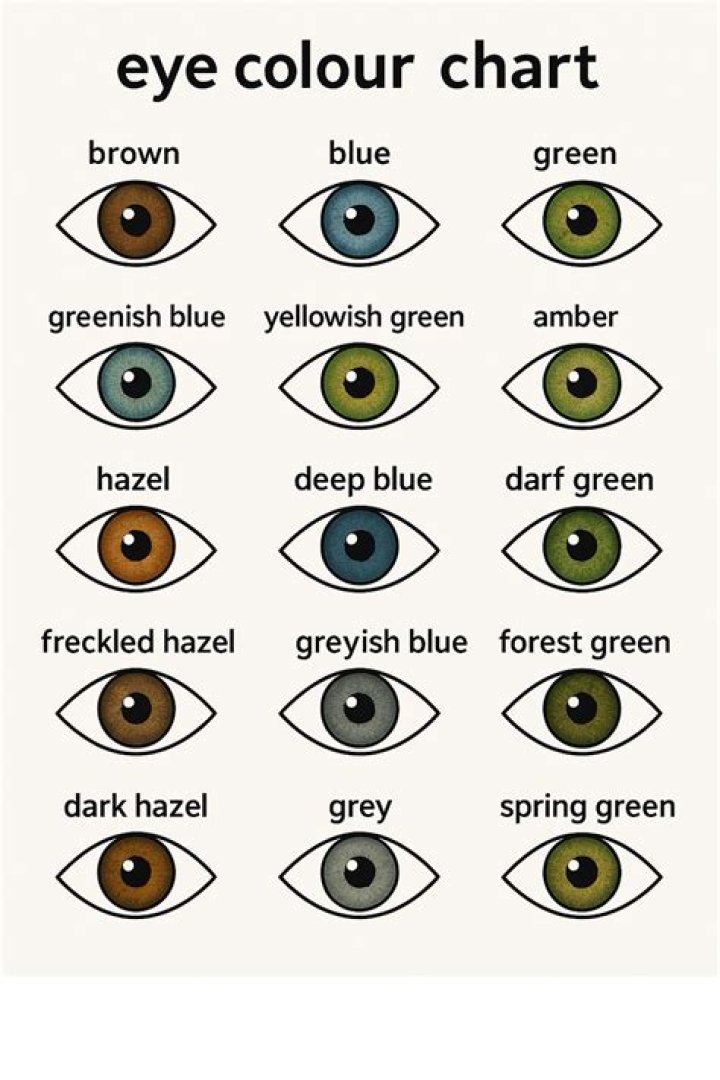
Adults can, too. About 10-15 percent of Caucasian people (mostly those with light eyes) have eyes that change color in later life. Light brown eyes can get lighter and look hazel, whereas hazel eyes can get darker.Why did my brown eyes turn green?
There's a small chance that an eye disease like pigmentary glaucoma, Horner's syndrome, or Fuchs heterochromic iridocyclitis could cause eye color changes, but these tend to be associated with a more rapid change in eye color. An eye doctor could determine if such an eye disease exists.7 Things That Can Change Your Eye Color
What is the rarest eye color?
Of those four, green is the rarest. It shows up in about 9% of Americans but only 2% of the world's population. Hazel/amber is the next rarest of these. Blue is the second most common and brown tops the list with 45% of the U.S. population and possibly almost 80% worldwide.Why are my brown eyes getting lighter as I age?
This is because eye color is determined by your genes and the melanin level on your body. As you grow up, the melanin level increases around your pupil, making the eye darker. However, 10-15% of Caucasian eyes change to a lighter color as they age, as pigment in the iris changes or degrades.Do people have GREY eyes?
Less than 1 percent of people have gray eyes. Gray eyes are very rare. Gray eyes are most common in Northern and Eastern Europe. Scientists think gray eyes have even less melanin than blue eyes.Can brown eyes turn to hazel?
People who had deep brown eyes during their youth and adulthood may experience a lightening of their eye pigment as they enter middle age, giving them hazel eyes.Can eye color fade with age?
In most people, the answer is no. Eye color fully matures in infancy and remains the same for life. But in a small percentage of adults, eye color can naturally become either noticeably darker or lighter with age.Do silver eyes exist?
Like blue eyes, silver eyes are the result of a very low amount of pigmentation in the eye, which reflects a gray-silver appearance. Silver eye color is most common in eastern European countries, and is one of the rarer eye colors worldwide.Why do blind people have white eyes?
Science Behind Blind People's White EyesIf you've ever wondered why some people have bright, beautiful eyes, and others (especially some older adults) seem to have a little bit of a hazy look to their eyes, the answer may be cataracts. A cataract is an accumulation of protein on the eye's lens.