What does a chordoma feel like?

Joseph Russell
Published May 12, 2026
These symptoms can include tingling, numbness, weakness, lack of bladder or bowel control, sexual dysfunction, vision problems, endocrine problems and swallowing difficulties. If the chordoma has grown very large, you may be able to feel a lump.
What does a chordoma lump feel like?
These symptoms may include pain, weakness, numbness, clumsiness, or tingling in the arms or legs. Tumors in the tailbone area can cause a noticeable mass; numbness in the groin area; bowel and bladder problems; or numbness, tingling, and weakness in the legs.Can you feel a chordoma tumor?
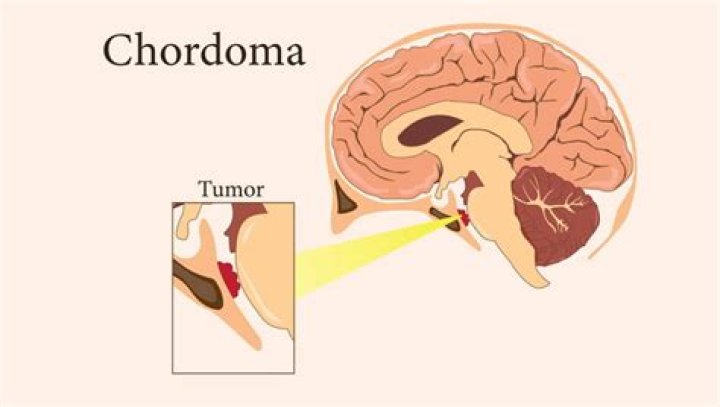
Because chordomas grow very slowly, they may start with subtle symptoms, or it may take years for any noticeable symptoms to appear. Some people feel a lump along their spine or at the base of the skull, while others may feel pain or pressure in nearby parts of the body that are affected by the growing chordoma.How do you know if you have chordoma?
Types of imaging testsAn MRI is the best way to see a chordoma and how it is affecting the tissue around it, such as muscles, nerves, and blood vessels. No matter where the tumor is located, an MRI of the entire spine should be performed to see if the tumor may have spread to or developed in other areas of the spine.
Is chordoma hard or soft?
Chordomas can be difficult to treat because they grow on the spine, near important tissues like nerves and blood vessels. It can be hard to get all of the tumor out of your spine without hurting the healthy parts of your body.Spinal Cord Tumor | Bridget’s Story
Is chordoma painful to touch?
Symptoms associated with a lumbar or sacral chordoma:Low back pain or tail bone pain. Weakness and/or numbness in the legs. Loss of bladder and bowel control. A mass on the low back or tailbone that is tender to the touch.